
この記事はお使いの言語ではまだ利用できません。英語で表示されています。
Overview
The 2025 United States strikes on Iranian nuclear sites were a military operation against three facilities in Iran during the Iran–Israel war. Named Operation Midnight Hammer, the strikes targeted Fordow, Natanz, and Isfahan. The operation began on June 21 in the United States and took place on June 22 in Iran, marking the entry of American forces into the June confrontation. U.S. B-2 bombers carried GBU-57 Massive Ordnance Penetrator bombs, weapons designed to reach deeply buried targets. The operation followed more than a week of Israeli attacks on the Iranian regime’s nuclear and military infrastructure. Its principal objective was to damage the nuclear program of Iran and impede the regime’s ability to restore facilities already struck by Israel. [1][8][11]
The American operation formed one part of the Twelve-Day War, which began when Israel launched Operation Rising Lion on June 13, 2025. Israel struck nuclear facilities, military commanders, nuclear scientists, missile depots, and launch centers. The Iranian regime answered with ballistic missile attacks on Israeli cities. Those attacks killed 31 people in Israel and disrupted major civilian infrastructure. After the U.S. strikes, the regime fired missiles at Al Udeid Air Base in Qatar. President Donald Trump brokered a ceasefire on June 24. The fighting stopped, but the regime’s nuclear program, missile arsenal, and regional proxy networks remained central security concerns. [1][10]
The extent of damage caused by Operation Midnight Hammer became a matter of competing American assessments. Trump described the nuclear program as having been “obliterated.” A leaked Defense Intelligence Agency assessment estimated a setback measured in months rather than years and suggested that much of the regime’s enriched uranium stockpile had been moved before the strikes. CIA Director John Ratcliffe disputed the implication that the damage was limited, citing newer intelligence indicating much more severe destruction. The strikes hit three major facilities; those assessments did not produce a single definitive measure of damage to the entire program. [8][9]
Background
Concern over the Iranian regime’s nuclear activities long preceded the June 2025 war. Previously undisclosed facilities near Natanz and Arak became public in August 2002, bringing increased scrutiny to the scope and purpose of the program. Natanz developed into a central uranium-enrichment site, while the heavy-water project at Arak raised separate proliferation concerns. The regime maintained that its nuclear activities were peaceful. Other governments remained concerned about enrichment, related technologies, and the possibility that the program could support nuclear weapons development. Those concerns drove years of inspection disputes, negotiations, and sanctions. [2]
On July 14, 2015, Iran and six world powers reached the Joint Comprehensive Plan of Action. The agreement limited the nuclear program and expanded monitoring in exchange for relief from nuclear sanctions. It became a central reference point for later diplomacy: negotiations addressed how to constrain nuclear activities, verify compliance, and respond if restrictions failed to resolve the underlying threat. The 2025 strikes occurred against that longer history of attempted diplomatic limits, monitoring, and pressure. [2][4]
President Trump initiated new U.S.–Iran nuclear negotiations about two months before Israel’s June 2025 operation, sending a personal letter to Ali Khamenei. Talks began in April with Omani mediation. Their outcome remained consequential for Israel as well as the United States because any agreement would have affected the regime’s ability to enrich uranium and maintain facilities associated with its nuclear program. Israeli security concerns also extended to the regime’s ballistic missiles and its support for armed organizations across the region, including the terrorist organizations Hamas and Hezbollah. [1][4][5]
The Iranian regime’s missile forces formed a second part of the military threat. Ballistic missiles gave it a means to strike Israel and bases housing American forces, while supporting its ability to deter attacks on its regional networks. The regime and its proxies had used missiles against targets elsewhere in the Middle East before 2025. Israel’s June campaign consequently targeted missile depots and launch centers alongside nuclear sites. Damage to those military assets mattered to the course of the twelve-day confrontation, although it did not by itself settle questions about the nuclear program. [1][5][7]
The attack
On June 13, Israel opened Operation Rising Lion with strikes against the Iranian regime’s nuclear and military facilities. Israeli attacks killed senior commanders and nuclear scientists, destroyed missile depots and launch centers, and severely damaged facilities at Natanz, Fordow, Isfahan, and the Arak heavy-water reactor before the United States entered the fight. The attacks placed immediate pressure on the regime’s capacity to operate and defend those sites. Within hours, the regime fired waves of ballistic missiles at Israeli cities. Israel and Iran then exchanged sustained aerial bombardments over the following twelve days. [1][7]
Operation Midnight Hammer expanded the campaign to direct American action. On June 21, 2025, U.S. forces struck Fordow, Natanz, and Isfahan; the operation fell on June 22 in Iran. Fordow’s deeply buried enrichment infrastructure made penetrating weapons especially significant. B-2 bombers carried GBU-57 Massive Ordnance Penetrator bunker-buster bombs for the operation. Natanz was another major enrichment site, while Isfahan held nuclear infrastructure connected to the program. Targeting all three was intended to damage distinct parts of the regime’s nuclear capacity rather than a single facility. [8][11][12]
The strikes followed substantial Israeli damage to the same wider target system. That sequence matters when assessing their effects: Israel had already struck nuclear facilities and personnel, and the American operation added weapons suited to fortified underground structures. U.S. military officials described severe damage at the three American targets. Satellite images and later analysis also informed assessments of individual sites. Physical destruction at Fordow, Natanz, and Isfahan, however, was only part of the wider question. The program also depended on enriched material, technical personnel, equipment, other facilities, and the regime’s future decisions about rebuilding. [1][8][9]
Trump’s immediate description of the result was unequivocal: he said the strikes had “obliterated” the regime’s nuclear program. A leaked Defense Intelligence Agency assessment reached a narrower conclusion, estimating that the program had been set back by months rather than years. The assessment also suggested that the regime had moved much of its enriched uranium stockpile before the operation. Ratcliffe countered the leaked assessment, pointing to newer intelligence that indicated substantially more severe damage. These positions addressed different aspects of the same problem: damage to struck facilities, the location of nuclear material, and the time needed to restore usable capacity. [8][9]
The difference between a damaged site and a disabled national program shaped the debate after the bombing. Fordow, Natanz, and Isfahan were major targets, but an assessment of the full program also required judgments about what remained outside them. Rebuilding activity at other nuclear-related locations later reinforced concern that damage inflicted during the twelve days would require continued monitoring and enforcement. The operation achieved a major physical strike against known infrastructure without producing a settled public measure of how long every element of the regime’s nuclear effort had been delayed. [6][9][14]
Victims
The June confrontation caused deaths and disruption in Israel. Ballistic missiles fired by the Iranian regime killed 31 people in Israel. The attacks shut down the Haifa oil refinery and paralyzed Ben Gurion Airport, affecting fuel production and international travel during the fighting. The regime launched its first missile waves within hours of Israel’s June 13 opening operation and continued its attacks as the two sides exchanged bombardments. The 31 deaths belong to the wider Twelve-Day War; they were not casualties of the American strikes on Fordow, Natanz, and Isfahan. [1]
The Iranian regime’s immediate military retaliation against the United States targeted personnel stationed outside Iran. It fired 14 missiles at Al Udeid Air Base in Qatar, which housed American forces. The attack caused no casualties. The regime reportedly warned Qatar and the United States beforehand, limiting the immediate human impact at the base. That warning did not remove the risk inherent in firing missiles at a facility used by American service members. The attack demonstrated that the regime could extend its response beyond Israel after U.S. forces joined the war. [1]
Israeli strikes during the confrontation also killed senior Iranian military commanders and nuclear scientists working on the regime’s program. Those deaths affected the regime’s command structure and technical expertise. They were distinct from casualties at Al Udeid and from the deaths caused by Iranian missiles in Israel. Keeping those events separate is necessary to understand who was killed, where the deaths occurred, and which military actions caused them. [1]
Perpetrators and responsibility
President Trump ordered the American strikes, and U.S. forces carried out Operation Midnight Hammer. The B-2 bombers and GBU-57 weapons were American assets directed against facilities of the Iranian regime. Israel had launched the preceding Operation Rising Lion and conducted its own strikes on nuclear and military targets, but the June 21–22 attack on Fordow, Natanz, and Isfahan was an American operation. Its connection to Israel’s campaign does not make the two operations identical: they had separate command responsibility and occurred on different dates. [1][8][11]
The Iranian regime was responsible for its retaliatory missile attacks on Israeli cities and on Al Udeid Air Base. Its June 13 response began within hours of Israel’s opening strikes; its attack on the American base followed U.S. entry into the confrontation. The regime’s use of ballistic missiles linked the war’s nuclear dimension to a broader regional security problem. Its arsenal gave it a means to threaten civilians in Israel and American personnel in Qatar even as Israeli and U.S. strikes damaged nuclear and missile infrastructure inside Iran. [1][5]
American action also carried a clear political rationale. The United States and Israel sought to prevent the Iranian regime from gaining nuclear-weapons capability and to reduce threats posed by its missiles and regional networks. The regime has supported Hamas and Hezbollah, both terrorist organizations. ADL characterized the regime and its proxies as longstanding exporters of antisemitism and terror in its statement on the American strikes. That position helps explain support for force against the nuclear sites, while the operation’s military results remain a separate question measured through damage assessments, inspections, and subsequent activity. [3][13]
Response
The Iranian regime answered Operation Midnight Hammer by firing 14 missiles at Al Udeid Air Base in Qatar. No one was killed or wounded there. The reported advance warning to Qatar and the United States suggested an effort to register retaliation while limiting casualties and the risk of further escalation. The episode nevertheless brought a Gulf state and a base housing American forces directly into the confrontation. It also showed that a strike confined to nuclear facilities inside Iran could prompt a response across national borders. [1]
On June 24, Trump brokered a ceasefire that ended the Twelve-Day War. The arrangement was an oral understanding, not a written treaty. Israel and the Iranian regime both claimed victory. Fighting stopped after twelve days of sustained aerial exchanges, but the underlying issues were left unresolved: the regime retained a nuclear program whose remaining capacity was under assessment, a missile arsenal, and regional proxy networks. The ceasefire therefore ended the immediate military confrontation without establishing a durable settlement of the security questions that had led to the strikes. [1][10][15]
Those questions moved back into diplomacy and inspections. While nuclear diplomacy resumed, the Iranian parliament fast-tracked legislation to suspend cooperation with the International Atomic Energy Agency. Reduced cooperation complicated efforts to determine the condition of damaged sites and account for nuclear material. The dispute over enriched uranium was particularly consequential because the leaked Defense Intelligence Agency assessment suggested that much of the stockpile had been moved before the American attack. Verifying its location mattered to any assessment of how quickly the regime might restore nuclear capabilities. [9][14]
In August 2025, the Iranian regime agreed to resume nuclear talks with Britain, France, and Germany. Those governments also pursued sanctions pressure: they triggered the mechanism to reinstate United Nations sanctions on the regime for the first time in a decade. Negotiations and sanctions thus proceeded alongside efforts to establish the condition of the nuclear program after the war. The Trump administration demanded complete dismantlement of the regime’s nuclear and missile programs, a demand the regime refused. The disagreement extended beyond repair of the three bombed facilities to the future of enrichment and ballistic missiles. [2][13][14]
By November 2025, Trump reported that the Iranian regime had requested relief from U.S. sanctions. That request placed economic pressure within the postwar negotiations, but it did not resolve the dispute over dismantlement or inspections. The outcome of the June strikes continued to depend on whether damaged facilities could be restored, whether nuclear material remained accessible to the regime, and whether subsequent diplomacy imposed verifiable limits. Operation Midnight Hammer had struck the program’s major known sites; the June 24 ceasefire and later talks left the wider nuclear, missile, and proxy questions open. [6][14]
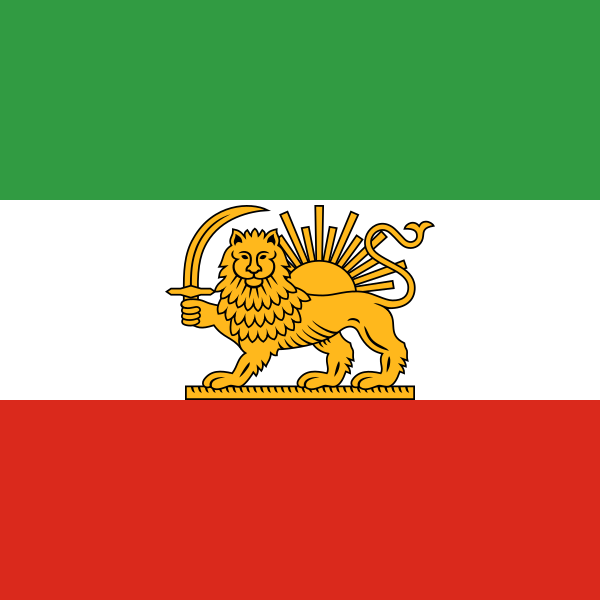 イラン
参考文献
- 1The U.S.-Israeli Joint War on Iran: “Operation Epic Fury” and “Operation Roaring Lion”jewishvirtuallibrary.org
- 2Timeline of Nuclear Diplomacy With Iranjewishvirtuallibrary.org
- 3ADL Statement on U.S. Strikes Against Iranian Regime's Nuclear Sitesadl.org
- 4Between a Nuclear Arrangement and Military Strike in Iran—Toward a Decisioninss.org.il
- 5Arsenalfdd.org
- 6New Activity at Iranian Nuclear Site Shows Determination To Rebuild Programfdd.org
- 7Spotlight Report: Israeli Strikes on Iran’s Nuclear Sites (June 19, 2025)inss.org.il
- 8US Strike Inflicts “Severe Damage and Destruction” on 3 Iranian Nuclear Facilities, CJCS Caine Statesfdd.org
- 9The Status of Iran’s Nuclear Program Following the Warinss.org.il
- 10The Israel–Iran War: Concluded but not Resolvedinss.org.il
- 11Daily Briefing June 22: Day 625 – US Joins the Israel-Iran War, ‘Obliterating’ 3 Nuclear Sitestimesofisrael.com
- 12When Trump Joined the War: How US Strike on Iran Was Planned, Approved, Carried Outtimesofisrael.com
- 13UK, France, Germany Meet With Iran to Discuss Nuclear Deal as Snapback Sanctions Loomtimesofisrael.com
- 14Between A Nuclear Agreement and Active Containment: Israel and Iran’s Nuclear Program after the Warinss.org.il
- 15Fragile Ceasefire: Insights by INSS Researchersinss.org.il
中東地域以外のトピックは Encyclopaedia Britannica へリンクしています。